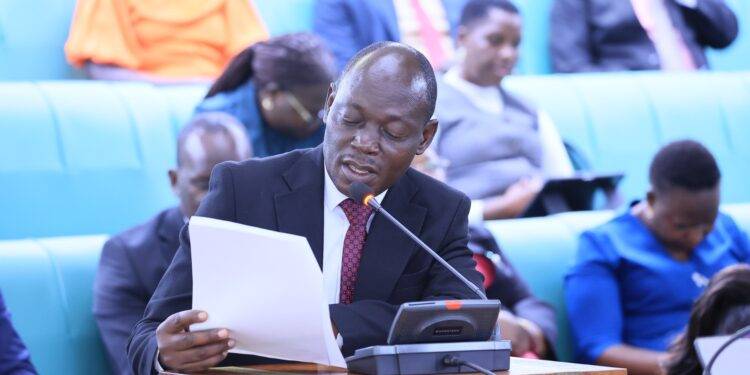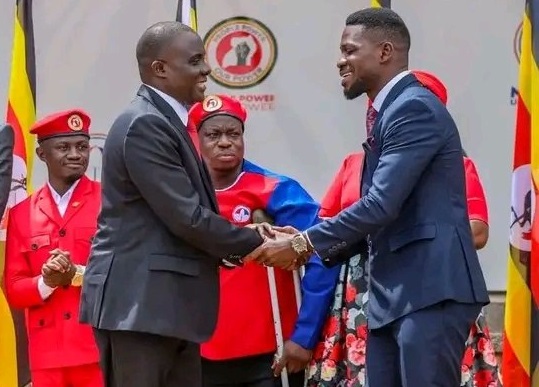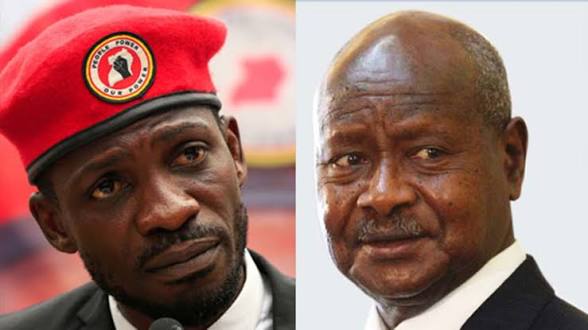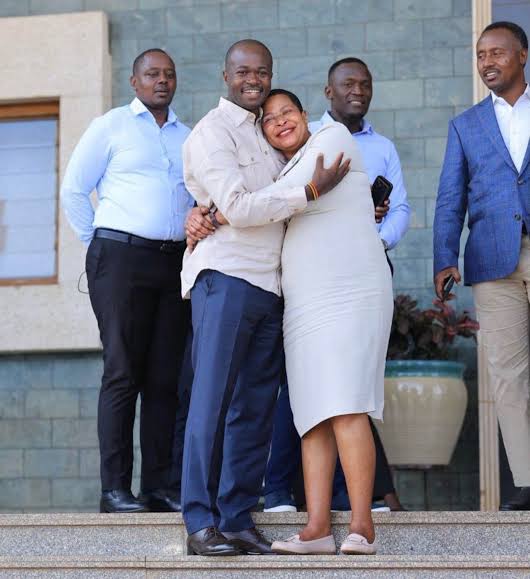
Hon. Daudi Kabanda has strongly pushed back against accusations of hypocrisy, launching a sharp response that has reignited political debate within Uganda’s political circles. The legislator, known for his outspoken views, questioned why he is often criticized for his political positions while other leaders are seemingly spared from similar scrutiny.
Speaking during a recent public engagement, Kabanda dismissed claims that he has been inconsistent in his political stance. He argued that politics is dynamic and that leaders often find themselves disagreeing with former allies due to changing circumstances and differing priorities.
The outspoken lawmaker particularly referenced former Speaker Anita Annet Among, suggesting that those labeling him a hypocrite should first examine the political relationships she has had over the years. According to Kabanda, political disagreements are common and should not automatically be interpreted as signs of hypocrisy.
In one of his most striking remarks, Kabanda asked, “If I am a hypocrite, what do you call Anita Among, who has fallen out with Kadaga, Besigye, and the Vice President?” The statement immediately attracted attention, with many interpreting it as a direct challenge to his critics.
Kabanda’s comments appear to stem from ongoing debates about loyalty, consistency, and shifting alliances within Uganda’s political landscape. He maintained that political leaders should be judged based on their principles and actions rather than the number of disagreements they have had with fellow politicians.
The legislator argued that disagreements among political figures are not unusual and can emerge from differences in ideology, strategy, or personal convictions. He noted that many respected leaders across the world have experienced political fallouts without their integrity being questioned.

His remarks have since sparked fresh discussions among supporters and critics alike. While some agree with his assessment that political differences should not be mistaken for hypocrisy, others argue that public leaders should be held accountable for contradictions in their statements and actions.
Observers note that Kabanda’s comments also highlight the growing tensions and divisions that occasionally emerge within political establishments. Such disagreements often become subjects of public debate, especially when they involve influential figures with significant political influence.
The mention of Rebecca Kadaga, a veteran politician and former Speaker of Parliament, added another layer to the discussion. Kadaga and Among have previously been viewed through the lens of political rivalry, particularly following changes in parliamentary leadership.
Kabanda also referenced opposition figure Dr. Kizza Besigye, whose relationship with various political actors has often been a topic of national interest. By bringing Besigye into the conversation, Kabanda appeared to emphasize the complexity of political relationships in Uganda.
The inclusion of the Vice President in his remarks further widened the scope of the debate. Political analysts believe Kabanda was attempting to demonstrate that disagreements can occur at the highest levels of leadership and should not automatically be viewed as evidence of inconsistency.
Supporters of Kabanda argue that his comments reflect a broader reality of politics, where alliances are often shaped by issues rather than permanent friendships. They contend that leaders should be free to disagree without facing accusations of betrayal or hypocrisy.
Critics, however, believe that the legislator’s response may have intensified tensions instead of addressing the concerns raised against him. Some have argued that pointing to the actions of others does not necessarily answer questions about one’s own political conduct.
Despite the differing opinions, Kabanda remains firm in his position. He insists that his political record speaks for itself and that he has always acted according to what he believes serves the interests of his constituents and the country.

The debate has also sparked conversations on social media, where supporters of various political camps have weighed in. Some users have praised Kabanda for speaking candidly, while others have accused him of deflecting attention from the accusations directed at him.
Political commentators suggest that such exchanges reveal the increasingly competitive nature of Uganda’s political environment. Public statements by senior politicians often generate widespread reactions because of their potential impact on future political alignments.
As discussions continue, many Ugandans are closely watching how the leaders mentioned in Kabanda’s remarks will respond. Whether directly or indirectly, any reaction could further shape public perception and influence ongoing political conversations.
The controversy has once again highlighted the importance of political accountability and public communication. In today’s highly connected world, statements made by prominent figures are quickly amplified and subjected to intense public scrutiny.
For Kabanda, the latest remarks appear to be part of a broader effort to defend his political reputation and challenge what he views as unfair criticism. By drawing comparisons with other leaders, he seeks to argue that political disagreements alone should not define a person’s character.
As the debate unfolds, one thing remains clear: Kabanda’s comments have succeeded in attracting national attention. Whether they will change opinions about him or simply fuel further political arguments remains to be seen, but they have undoubtedly added a new chapter to Uganda’s ever-evolving political discourse.
About the Author