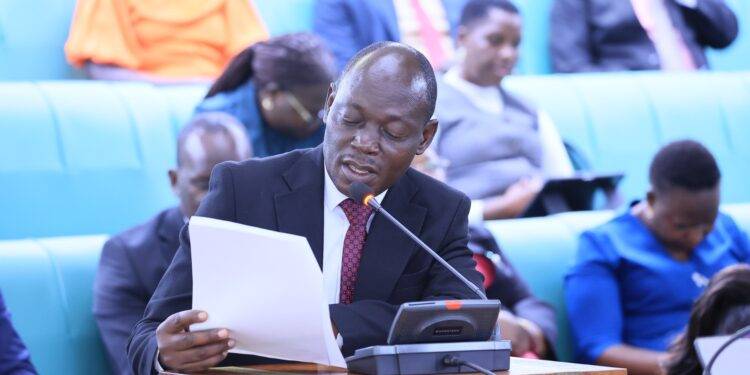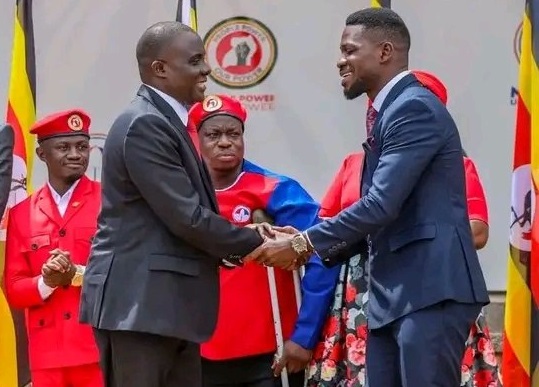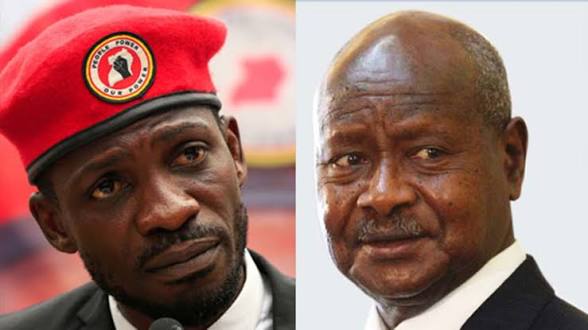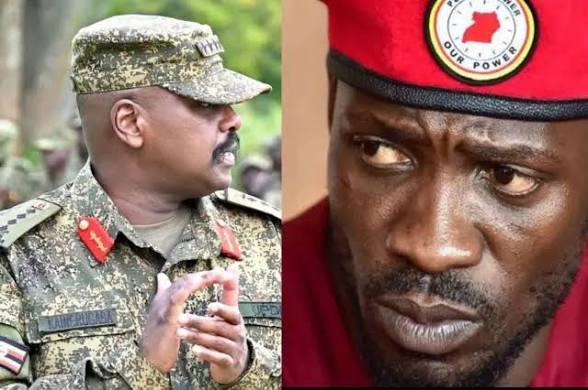
A fresh political debate has emerged following remarks by Daudi Kabanda, who argued that National Unity Platform president Robert Kyagulanyi, popularly known as Bobi Wine, continues to command significant attention because of his position as the country’s leading opposition figure.
Speaking during a media interview, Kabanda said the level of attention directed toward Kyagulanyi is not accidental but rather reflects his influence in Uganda’s political landscape and his ability to mobilize large numbers of supporters across the country.
According to Kabanda, politics is largely driven by relevance and influence, and leaders naturally focus on opponents they consider capable of shaping public opinion and challenging the status quo.
He noted that among all the politicians who have contested against President Yoweri Museveni in recent years, Kyagulanyi stands out because of the electoral support he has been able to attract, particularly during the 2021 presidential election.
Kabanda argued that the NUP leader transformed himself from an entertainer into a major political force within a relatively short period of time, something he believes cannot be ignored by either supporters or opponents.
The PLU strongman stated that political attention often follows political weight, suggesting that leaders are more likely to respond to individuals who command a substantial following and possess the capacity to influence national conversations.

During the interview, Kabanda emphasized that Kyagulanyi remains one of the most recognizable political figures in Uganda today, especially among young people who have increasingly become active participants in the country’s political process.
He further explained that government officials and political actors often direct their responses toward those they perceive as serious competitors rather than individuals with limited national influence.
According to Kabanda, this reality explains why discussions involving Kyagulanyi frequently dominate political headlines and public debates across various media platforms.
He argued that the NUP president has managed to establish himself as the central figure within Uganda’s opposition politics, giving him a level of visibility unmatched by many other opposition leaders.
Kabanda also pointed to electoral statistics as evidence of Kyagulanyi’s political significance, noting that the opposition leader secured millions of votes during the presidential race and demonstrated an ability to rally support nationwide.
In his view, such numbers inevitably place Kyagulanyi at the center of political discourse because they reflect a substantial constituency whose views and aspirations cannot be overlooked.
The legislator contrasted Kyagulanyi’s position with that of other opposition politicians, suggesting that political prominence is often measured by national reach, electoral performance, and public influence.
His remarks quickly generated discussion among political observers, with some agreeing that Kyagulanyi remains the government’s most formidable political challenger while others questioned whether influence should be measured solely through election results.

Supporters of the NUP leader interpreted Kabanda’s comments as an acknowledgment of Kyagulanyi’s growing political relevance and his continued ability to shape the opposition agenda.
Meanwhile, critics argued that political competition in Uganda involves many actors and that focusing attention on one individual may overlook the contributions of other opposition voices.
Political analysts note that the discussion reflects broader questions about leadership, popularity, and influence as Uganda gradually moves toward another election cycle.
Many observers believe that Kyagulanyi’s political journey has significantly altered Uganda’s opposition landscape by introducing new demographics and energizing supporters who had previously felt disconnected from mainstream politics.
Whether one agrees with his policies or not, analysts say Kyagulanyi has undeniably become one of the most consequential political figures of his generation, making him a frequent subject of both praise and criticism.
As debates over Uganda’s political future continue, Kabanda’s remarks have once again highlighted the central role that Bobi Wine occupies in national politics, reinforcing the perception that he remains a key figure in the country’s evolving democratic conversation.
About the Author