A growing section of Uganda’s legal fraternity has criticized the arrest of Erias Lukwago, arguing that the veteran lawyer and opposition politician was merely performing his professional duties when he sought to serve court documents on Chief of Defence Forces Gen Muhoozi Kainerugaba.
The controversy has triggered intense debate about the relationship between the judiciary, legal practitioners, and public officials following Lukwago’s arrest by security operatives.
Many lawyers contend that Lukwago should not have been targeted for carrying out a task that falls squarely within the normal responsibilities of legal representatives involved in court proceedings.
The criticism gained further momentum after senior lawyer Isaac Newton Mpanga publicly questioned the reasoning behind Lukwago’s arrest.
Mpanga argued that lawyers do not create, authorize, or issue court summons, but merely facilitate legal processes on behalf of their clients.
According to him, the authority to issue summons rests exclusively with judicial officers acting through the courts.

He suggested that anyone dissatisfied with the issuance of summons should direct their concerns toward the judicial process itself rather than toward lawyers tasked with serving legal documents.
In a widely discussed social media post, Mpanga remarked that those upset by the court process should identify the judicial officer responsible for issuing the summons instead of pursuing the lawyer delivering them.
His comments were widely interpreted as a direct response to the arrest of Lukwago and the circumstances surrounding it.
The summons in question were reportedly issued by Justice Emmanuel Baguma of the High Court as part of legal proceedings involving opposition leader Dr. Kizza Besigye.
Lukwago, one of Besigye’s lead lawyers and the president of the People’s Front for Freedom (PFF), had reportedly been preparing to serve the documents before he was taken into custody.
According to opposition leaders and members of his party, security operatives picked him up from his residence in Wakaliga and transported him to an undisclosed location.
The incident immediately attracted widespread public attention due to Lukwago’s prominence within Uganda’s opposition politics and legal community.
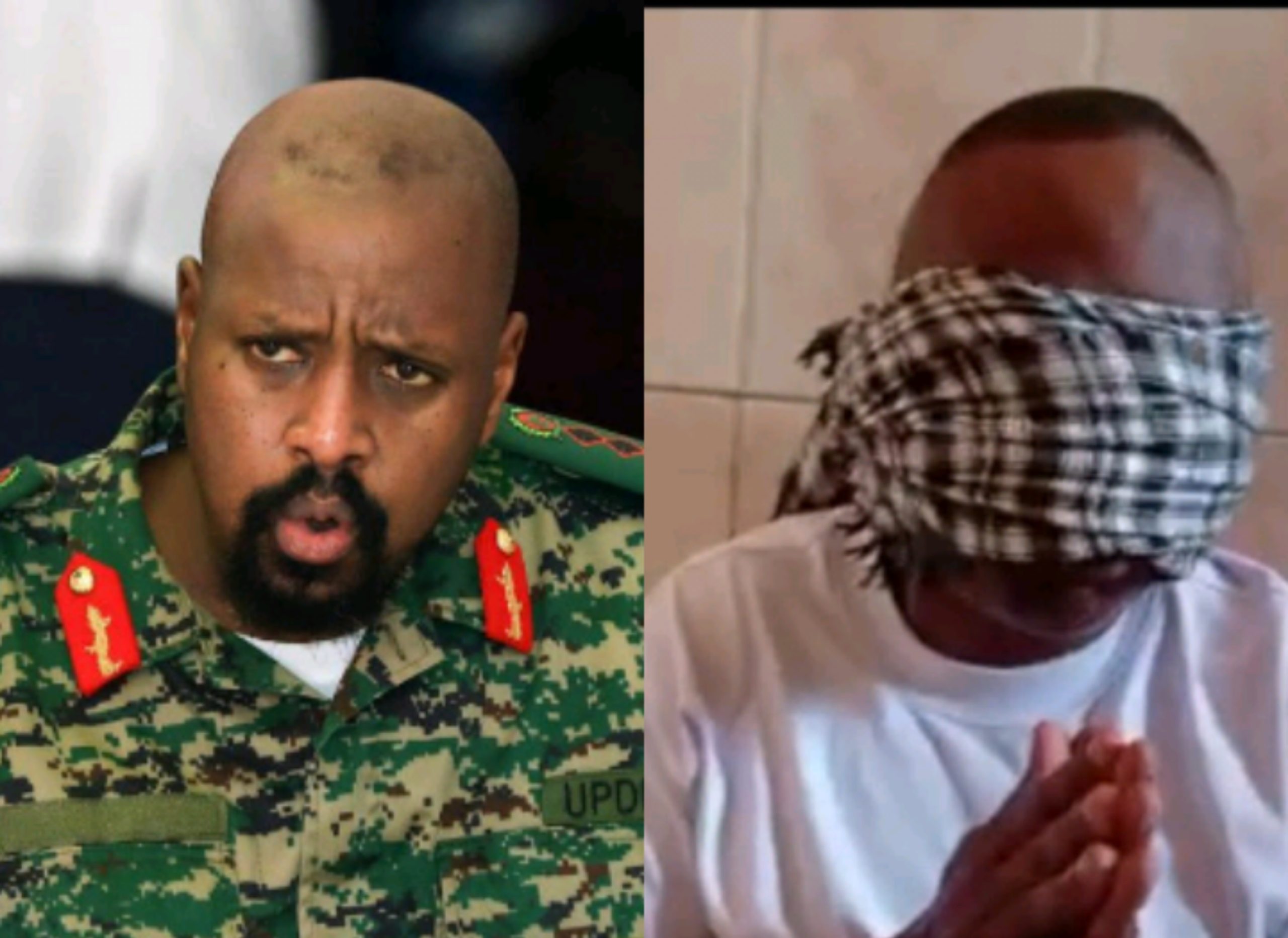
The matter escalated further when Gen Muhoozi Kainerugaba later acknowledged responsibility for the operation through posts on social media.

The military chief also shared photographs appearing to show Lukwago in detention, a move that generated significant debate across political and legal circles.
Critics argued that the arrest raised important questions about respect for legal procedures and the independence of the legal profession.
Several lawyers pointed out that advocates serve as officers of the court and play a critical role in ensuring that judicial decisions and processes are implemented.
The Uganda Law Society subsequently condemned the detention and called for Lukwago’s immediate release, describing the incident as an attack on the administration of justice and the rule of law.
Opposition politicians also weighed in, warning that actions targeting lawyers for carrying out their duties could have wider implications for access to justice and the functioning of the legal system.
As public debate continues, the incident has evolved beyond the arrest of a single individual and has become part of a broader national conversation about judicial independence, legal accountability, and the role of lawyers in safeguarding constitutional and legal processes in Uganda.
About the Author