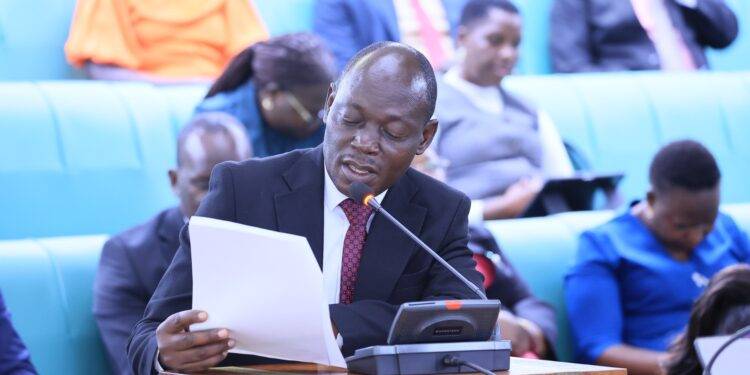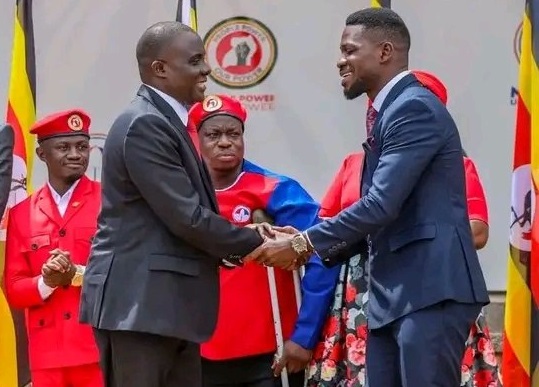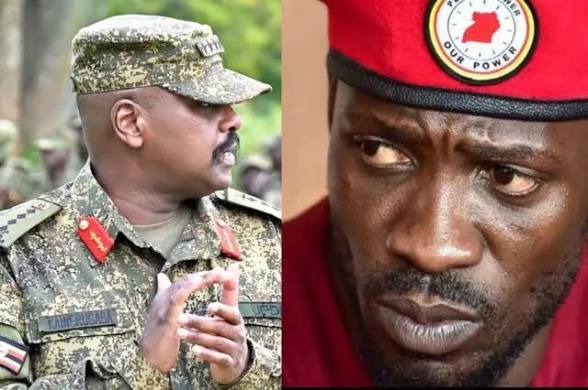
A fresh political confrontation has erupted in Uganda after opposition leader Bobi Wine delivered one of his strongest public criticisms yet against Chief of Defence Forces Gen Muhoozi Kainerugaba following the reported arrest and detention of lawyer and politician Erias Lukwago.
The sharp exchange emerged amid growing controversy surrounding Lukwago’s arrest, which has attracted widespread attention from opposition supporters, lawyers, human rights activists, and political observers across the country.
Lukwago, a senior lawyer, former Kampala Lord Mayor, and prominent opposition figure, was reportedly arrested under circumstances that have since become the subject of intense national debate.
Many opposition leaders have argued that Lukwago was simply carrying out his professional responsibilities as a lawyer and should not have been subjected to arrest while pursuing legal matters involving his clients.
As concerns about Lukwago’s whereabouts and welfare grew, Bobi Wine took to social media to condemn what he described as an abuse of power and an attack on the rule of law.
The National Unity Platform president accused Muhoozi of using his position within the military establishment to intimidate political opponents and interfere with legal processes.

In a strongly worded statement, Bobi Wine argued that the reported detention of Lukwago reflected a worrying trend in which state institutions are increasingly drawn into political disputes.
He further claimed that actions targeting opposition figures were damaging Uganda’s democratic image and raising serious concerns about respect for constitutional rights and freedoms.
The opposition leader reserved some of his harshest criticism for Muhoozi personally, accusing him of behaving in a manner that he said was unbecoming of a senior military officer.
According to Bobi Wine, the conduct attributed to Muhoozi was not only controversial but also harmful to the reputation of the Uganda People’s Defence Forces as a national institution.
“Your actions are such an embarrassment to the Uganda People’s Defence Forces,” Bobi Wine declared, in remarks that quickly spread across social media and political discussion platforms.
He argued that the UPDF should be remembered as a professional institution that serves all Ugandans rather than becoming associated with political conflicts and personal disputes.
Bobi Wine also suggested that future generations would judge current leaders based on how they exercised power and treated those who disagreed with them politically.
In one of the most personal sections of his statement, he warned that history would not be kind to leaders who abuse authority or disregard the rights of fellow citizens.

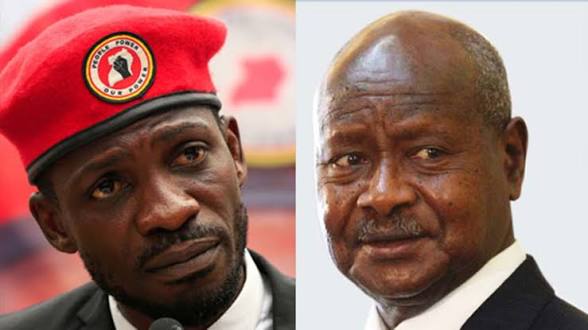
The opposition leader went on to claim that both Muhoozi and his father, President Yoweri Museveni, risked leaving behind a legacy that would be remembered negatively if such actions continued.
He then delivered what many observers considered the most striking line of his statement, saying that one day even Muhoozi’s own children could struggle to defend his public record.
That particular remark immediately generated strong reactions, with supporters of Bobi Wine praising it as a powerful warning about accountability and legacy.
Critics, however, argued that the comment crossed into deeply personal territory and reflected the increasingly hostile nature of Uganda’s political discourse.
Political analysts noted that the exchange highlights the widening tensions between opposition leaders and senior government officials at a time when political competition remains highly charged.
As debate continues over Lukwago’s arrest and the broader issues it has raised, Bobi Wine’s remarks have ensured that questions about power, accountability, human rights, and political legacy remain firmly at the center of Uganda’s national conversation.
About the Author