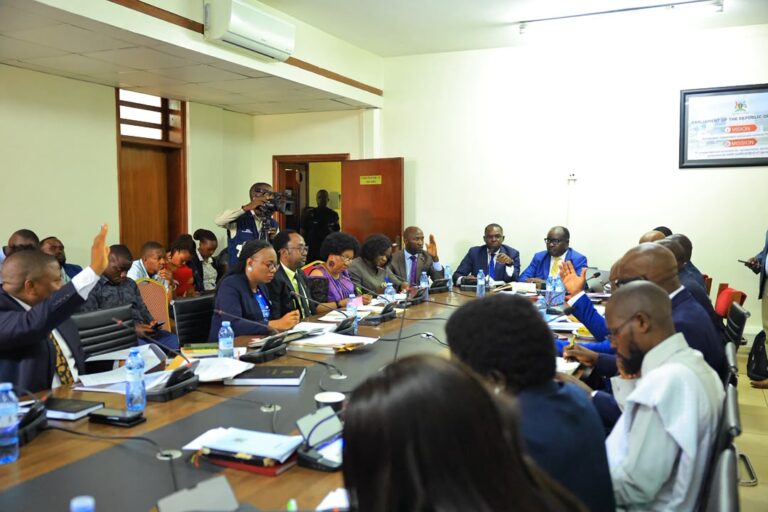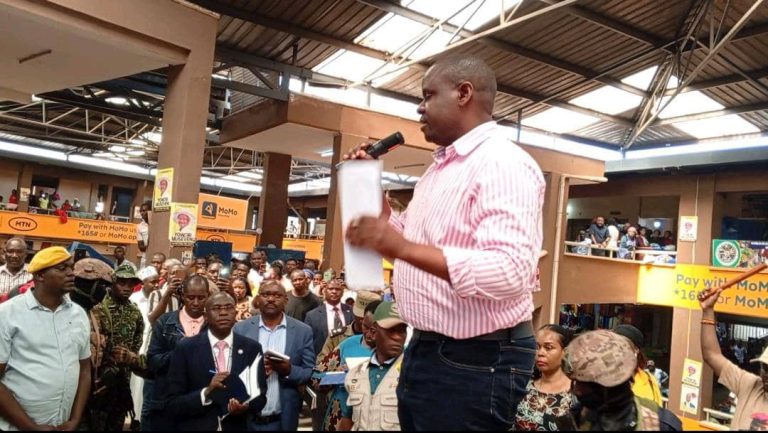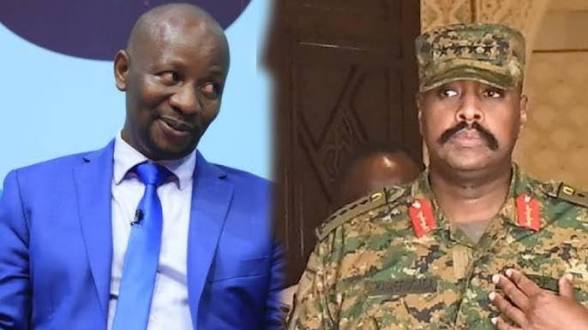
A new wave of political debate has emerged in Uganda after Chief of Defence Forces Muhoozi Kainerugaba made strong remarks directed at opposition leaders Innocent Semujju Nganda and Joel Ssenyonyi.
Muhoozi stated that the two politicians “will follow very soon,” a comment widely interpreted as a warning that they could face arrest unless certain conditions are met.
His remarks quickly spread across social media and political circles, sparking intense discussion about their meaning and possible implications for Uganda’s opposition landscape.
According to Muhoozi, the two leaders would “follow Besigye and Lukwago,” referring to prominent opposition figures who have previously faced arrests and legal battles in Uganda.
The statement also included a demand that Semujju Nganda and Joel Ssenyonyi should come forward and apologize to him, adding further controversy to an already heated political atmosphere.
Supporters of Muhoozi argue that his comments should be understood as a warning to politicians who, in their view, may cross legal boundaries while criticizing government actions.

They say that no individual is above the law and that any investigation or legal action should be based on evidence rather than political affiliation.
However, critics have strongly condemned the remarks, saying they amount to intimidation of opposition leaders and could undermine democratic freedoms in the country.
They argue that political leaders should be allowed to express their views without fear of threats or pressure from powerful security figures.
The comments also reignited debate about the relationship between Uganda’s military leadership and civilian politics, especially the role of senior officers in public political discourse.
Observers note that Muhoozi’s statements often generate widespread attention due to his high-ranking position and active presence on social media.
Some political analysts believe such remarks risk deepening divisions between government and opposition supporters.
Others argue that the statements reflect growing frustration within parts of the leadership over criticism from opposition politicians.
Meanwhile, supporters of Semujju Nganda and Joel Ssenyonyi have defended them, saying their political work is based on accountability and public service.

They insist that criticism of government institutions should not be treated as a criminal offense.
Human rights advocates have also weighed in, warning against what they describe as increasing politicization of security threats.
They call for respect of constitutional rights, including freedom of expression and political participation.
At the time of publication, no official statement had been released by law enforcement agencies confirming any planned legal action against the two opposition leaders.
The situation continues to develop, with many Ugandans closely watching whether the exchange will remain verbal or escalate into formal political or legal steps.
For now, the remarks have added another layer of tension to Uganda’s already active political environment, keeping Semujju Nganda and Joel Ssenyonyi at the center of national debate.
About the Author