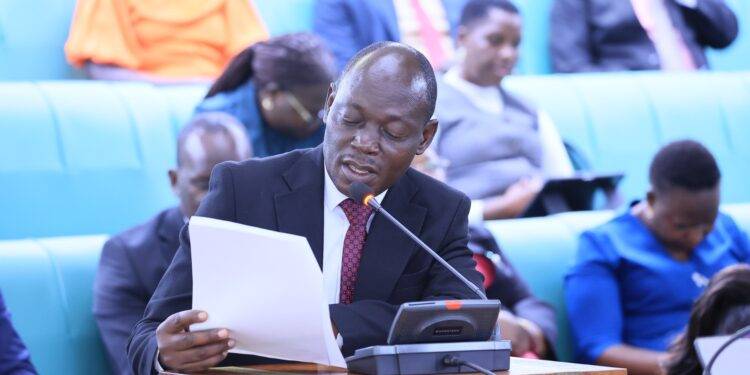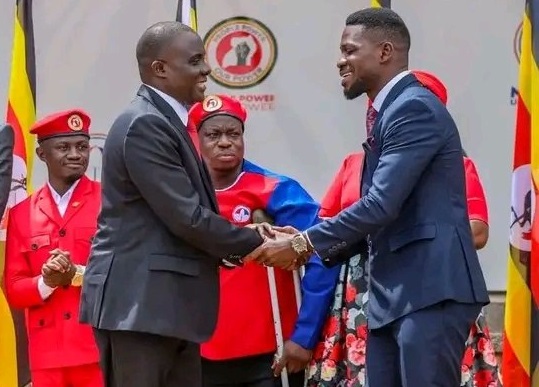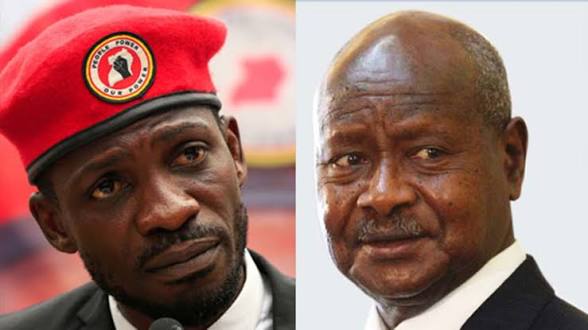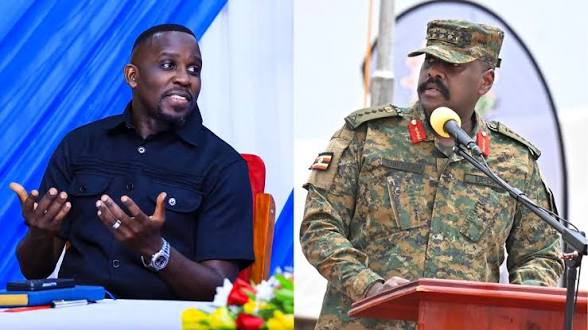
A new wave of political debate has been triggered after Chief of Defence Forces Muhoozi Kainerugaba made remarks suggesting a possible push to change the leadership of the opposition in Uganda’s Parliament.
In a statement shared on social media, Muhoozi indicated that Hon. Kabanda had been authorised to lead what he described as an “operation” in Parliament aimed at installing a new Leader of the Opposition.
The comments immediately drew attention from political observers, lawmakers, and members of the public who follow Uganda’s increasingly heated political discussions.
Muhoozi further suggested that once Hon. Kabanda completes what he referred to as the process involving current Leader of the Opposition Joel Ssenyonyi, he would personally be “waiting for him,” a statement that added to the controversy.
The remarks quickly circulated across social media platforms, where they sparked intense debate and a wide range of interpretations.
Joel Ssenyonyi, who currently holds the position of Leader of the Opposition in Parliament, has been a vocal critic of government policies and actions, making him a central figure in Uganda’s opposition politics.

His role is determined through parliamentary and party procedures, a structure that many analysts say is not subject to external appointment or informal “operations.”
The idea of changing opposition leadership through an “operation” described in political rhetoric has therefore raised concern among some observers.
Supporters of Muhoozi argue that his comments reflect a desire for political restructuring and accountability within opposition leadership.
They believe that leadership positions should be open to change if individuals are perceived to be underperforming or misrepresenting their constituents.
However, critics strongly rejected the remarks, arguing that they undermine parliamentary independence and the established rules that govern leadership positions in the legislature.
Several political commentators described the statement as provocative and capable of increasing political tension at a time when Uganda’s political climate is already sensitive.
Opposition supporters defended Ssenyonyi, insisting that his position is legitimate and backed by parliamentary procedures that cannot be altered through external directives.
They warned that attempts to influence parliamentary leadership through pressure or informal orders could set a dangerous precedent for democratic institutions.

The comments also reignited debate about the role of senior military figures in political discussions, especially when such remarks involve Parliament.
Analysts say that Uganda has increasingly seen political discourse shift to social media, where statements from influential figures quickly become national talking points.
Some observers believe the remarks may reflect ongoing frustrations within political circles, while others interpret them as part of a broader power struggle narrative.
As reactions continue to spread, neither Parliament nor opposition leadership has issued an official response regarding the comments attributed to Muhoozi.
For now, Joel Ssenyonyi remains in his position as Leader of the Opposition, while the political debate surrounding his leadership continues to intensify.
The statement has once again placed Uganda’s political landscape under public scrutiny, highlighting ongoing tensions between different political actors and institutions.
About the Author