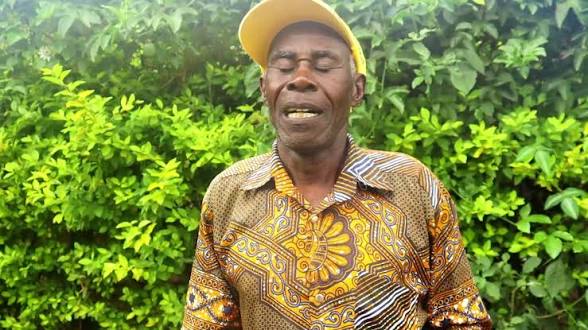
A 67-year-old Local Council One (LC1) Chairperson in Ibanda Municipality has sparked debate after announcing his intention to seek another term in office following nearly four decades of leadership at village level.
Ssali Kyeyune, the LC1 Chairperson of Katoma I Cell in Kagongo Division, Ibanda Municipality, has served as a village leader since 1986 and says he is not ready to retire from public service.
Kyeyune told residents that he still has the energy and experience needed to continue guiding the community despite spending about 40 years in the same leadership position.
The veteran local leader said leadership requires experience, patience and a deep understanding of the people, qualities he believes many young leaders are still lacking.
According to Kyeyune, some young leaders rush into positions without enough knowledge about managing community challenges and resolving conflicts among residents.
He argued that his long stay in office has helped him understand the needs of the people and effectively handle issues affecting his area.

The announcement has attracted mixed reactions among residents, with some appreciating his experience while others questioning whether leadership positions should be opened up for new generations.
Kyeyune, however, remains confident that his record speaks for itself and that voters should be allowed to decide whether he continues serving them.
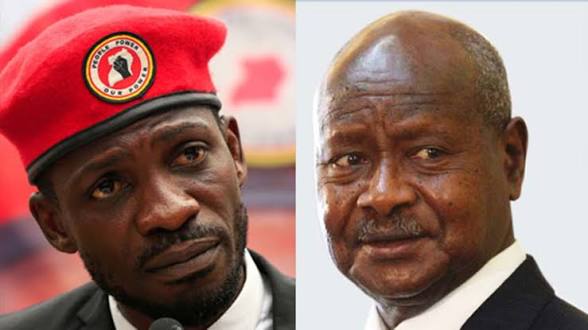
He compared his continued leadership to President Yoweri Museveni’s long stay in power, saying that as long as Museveni remains President, he also believes he can continue serving as a village leader.
“As long as President Museveni is in power, I will also keep in power,” Kyeyune reportedly said while explaining his confidence in seeking another term.
His remarks have generated discussions about political leadership, retirement and the role of long-serving leaders in Uganda’s communities.
Supporters of Kyeyune say experienced leaders bring stability because they understand local problems better than newcomers.
They argue that village leadership requires someone who knows residents personally and can easily solve disputes within the community.
However, critics believe that long-serving leaders should create space for younger people to take over and bring new ideas into local governance.

They say leadership succession is important for development and encourages more citizens to participate in public service.
The debate surrounding Kyeyune’s decision comes at a time when Uganda continues to discuss the balance between experience and generational change in leadership.
LC1 leaders play an important role in communities by handling local disputes, mobilising residents and supporting government programmes at grassroots level.
Kyeyune believes his years of service have given him enough knowledge to continue performing these responsibilities effectively.
As the LC1 elections approach, residents of Katoma I Cell will decide whether to extend his leadership or choose a new representative.
The contest is expected to attract attention as Kyeyune seeks to maintain his position after four decades of serving as the village chairperson.
About the Author