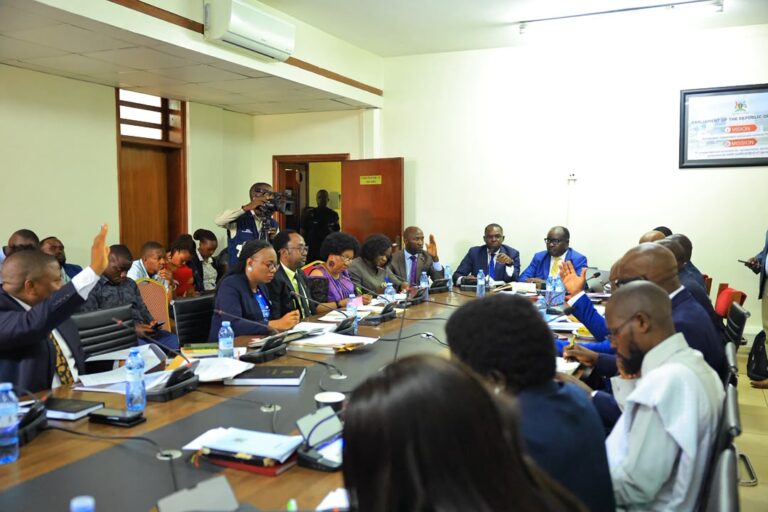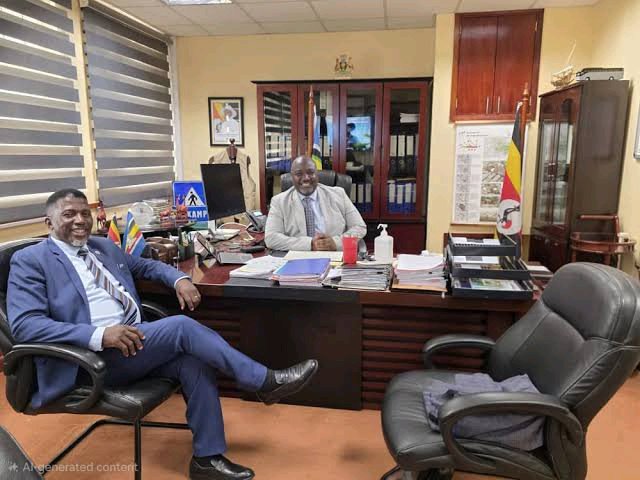
A new bill in Uganda is causing waves of controversy, raising critical questions about the future of the nation’s nongovernmental organizations (NGOs). The NGO Funding Bill, which is still pending in Parliament, proposes sweeping reforms that would reshape the way NGOs receive, manage, and report their funding. While some view the bill as a positive step towards greater accountability and financial sustainability, others warn it could lead to increased government control over civil society organizations.
NGOs in Uganda have long been instrumental in providing vital services in sectors like health, education, and rural development, especially where government intervention is limited. Many also play a key role in advocating for human rights, democracy, and transparency. However, most of these organizations are heavily reliant on foreign funding, which accounts for the majority of their operating budgets. While this funding has supported numerous initiatives, it has also attracted scrutiny from government regulators.
The proposed bill would introduce stricter regulations on how NGOs access and utilize funds, particularly foreign donations. Under the bill’s provisions, NGOs would be required to disclose all foreign funding within 14 days of receipt and submit detailed monthly financial reports. The Minister of Internal Affairs would also be granted the power to impose limits on the amount of foreign funding NGOs can accept, especially if such funding is linked to political or policy issues.
Supporters of the bill argue that these measures are necessary to increase transparency and reduce Uganda’s dependence on external donors. The government contends that encouraging local fundraising and partnerships could promote the long-term sustainability of NGOs. Moreover, stricter reporting requirements could enhance public trust in NGOs, making it easier for them to attract new funding and partnerships. However, critics fear that the bill may limit the independence of civil society organizations by increasing government oversight.
While some provisions in the bill may reduce operational costs for NGOs, such as lower registration fees and potential tax exemptions for community-related equipment, many question whether these benefits will outweigh the burdens imposed by the increased reporting and regulatory requirements. The push for local fundraising is also viewed with skepticism, as the availability of domestic support systems remains uncertain, especially in the context of Uganda’s broader economic challenges.
A central concern for critics of the bill is the government’s increasing control over foreign funding, particularly for NGOs involved in politically sensitive work. By placing limits on foreign donations and restricting funds that may have political ties, the bill could undermine the ability of NGOs to engage in advocacy, hold the government accountable, and work on issues like human rights and electoral integrity. This concern is particularly acute for organizations that challenge government policies or address controversial issues.
The proposed legislation is also part of a larger pattern of increasing regulation of NGOs in Uganda, a trend that has been growing over the past several years. While some of these measures have aimed to ensure accountability, critics argue that they also give the government too much influence over civil society. The timing of the bill, coming ahead of national elections, has raised additional alarms, with many fearing that the law could be used to suppress dissent and limit the activities of politically active NGOs.
As the debate continues, the key question remains: does the bill genuinely seek to strengthen the NGO sector, or is it a tactic for the government to assert more control over organizations that challenge its power? With heightened tensions surrounding Uganda’s civil society, the outcome of this proposed bill could significantly alter the way NGOs operate in the country, potentially limiting their ability to function independently or enhancing their transparency and sustainability—depending on how the law is implemented.
About the Author